Seafood cataplana is an Algarvian ritual par excellence, bringing to the table the very best the sea has to offer: clams, prawns, white fish, and the rich broth that ties them all together. Eating a cataplana in Alvor is an experience in itself. Pairing it with the right wine takes that experience to a whole new level of sophistication. Just picture the scene: the copper pan arriving closed at the table, the steam escaping as the lid is lifted, the scent of the sea and garlic filling the air before the first forkful. It’s a dish made for sharing, slowly, unhurriedly, and that’s precisely why it deserves a wine that keeps pace with it.
Seafood Cataplana: An Algarvian Ritual
The dish takes its name from the vessel that shapes it: the cataplana, a copper pan made of two concave halves joined by a hinge and side clasps, which cooks food in a sealed, steam-filled environment. It’s a technique with deep roots in the Arab presence in southern Portugal between the 8th and 13th centuries, the same heritage that runs through the very name of Villa Alvor, and one that links this vessel to the traditional Moroccan tagine, although the latter is made of clay. The act of opening the cataplana at the table, with the heat and aromas escaping from within, is as much a part of the experience as the flavour itself: a small piece of theatre that has accompanied the dish for generations.
For decades, the cataplana was crafted by master Algarvian coppersmiths, who turned copper into a symbol of regional identity as recognisable as the dish it carries. Today, seafood cataplana is one of the Algarve’s most iconic dishes, present at festivities, family lunches and any table that wants to celebrate, without hurry, the best the Algarve coast has to offer.
Every Algarvian home has its own version: more or less tomato, more or less heat, with or without cured sausage, with whatever seafood is freshest that day. This variation is also part of the ritual. A cataplana is rarely made exactly the same way twice, and that is what makes it a living tradition, passed down from generation to generation around the same table.
A Dish That Calls for Fresh Wines
The richness of a seafood cataplana lies precisely in what makes it hardest to pair: the intense, almost iodine-like broth, the natural richness of the seafood, and the complex seasoning that usually includes tomato, garlic, peppers and coriander. It’s a dish that quickly overwhelms the palate and therefore demands a wine with enough freshness to match its intensity without being overpowered by it. Bread is almost always served alongside the cataplana, ready to soak up the broth left at the bottom of the pan.
This is a well-known phenomenon among food pairing professionals: dishes rich in fat and iodine compounds tend to saturate the palate quickly, especially when paired with equally full-bodied or low-acid wines. The result is a sense of heaviness that builds with every bite. A fresh wine with good acidity acts like a reset button: it cleanses the palate between bites and keeps the meal enjoyable from start to finish.
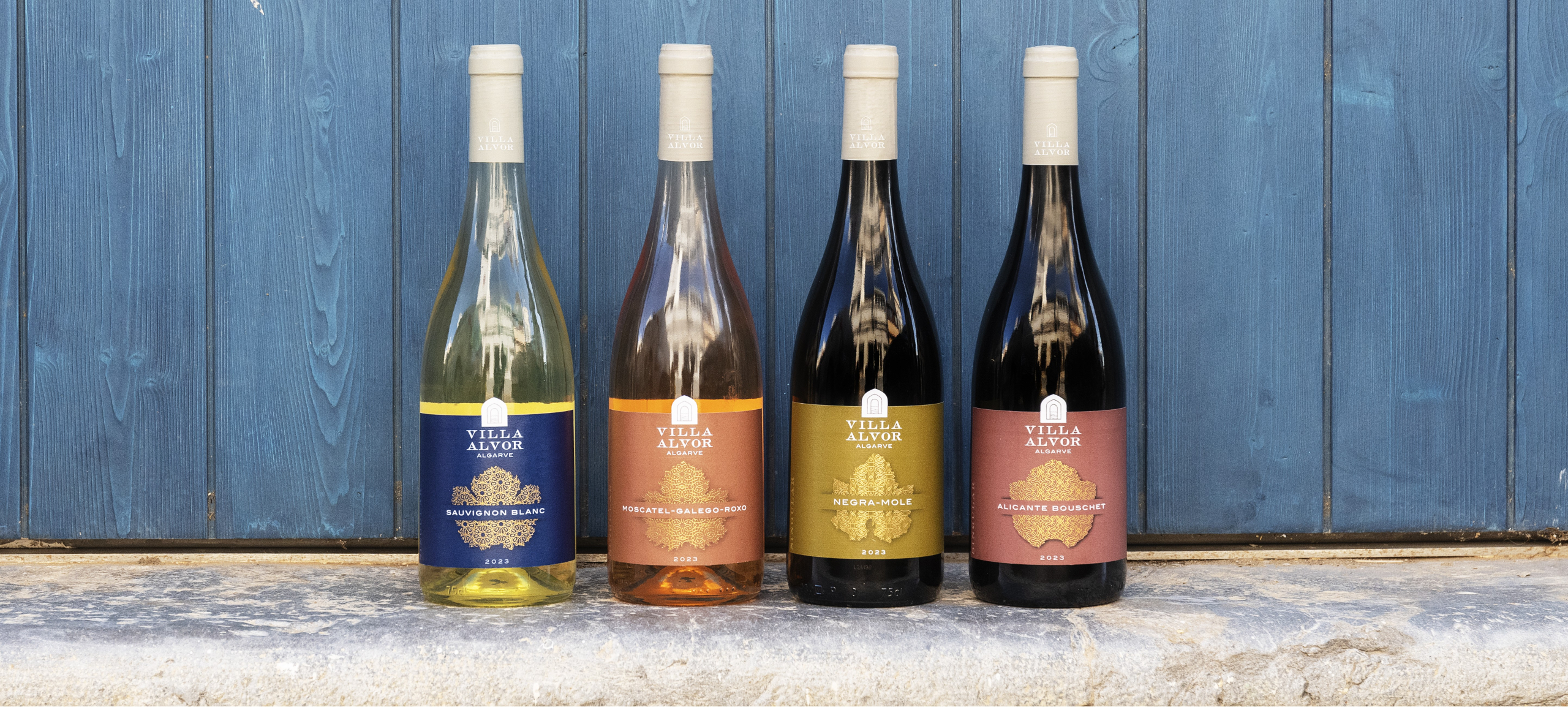
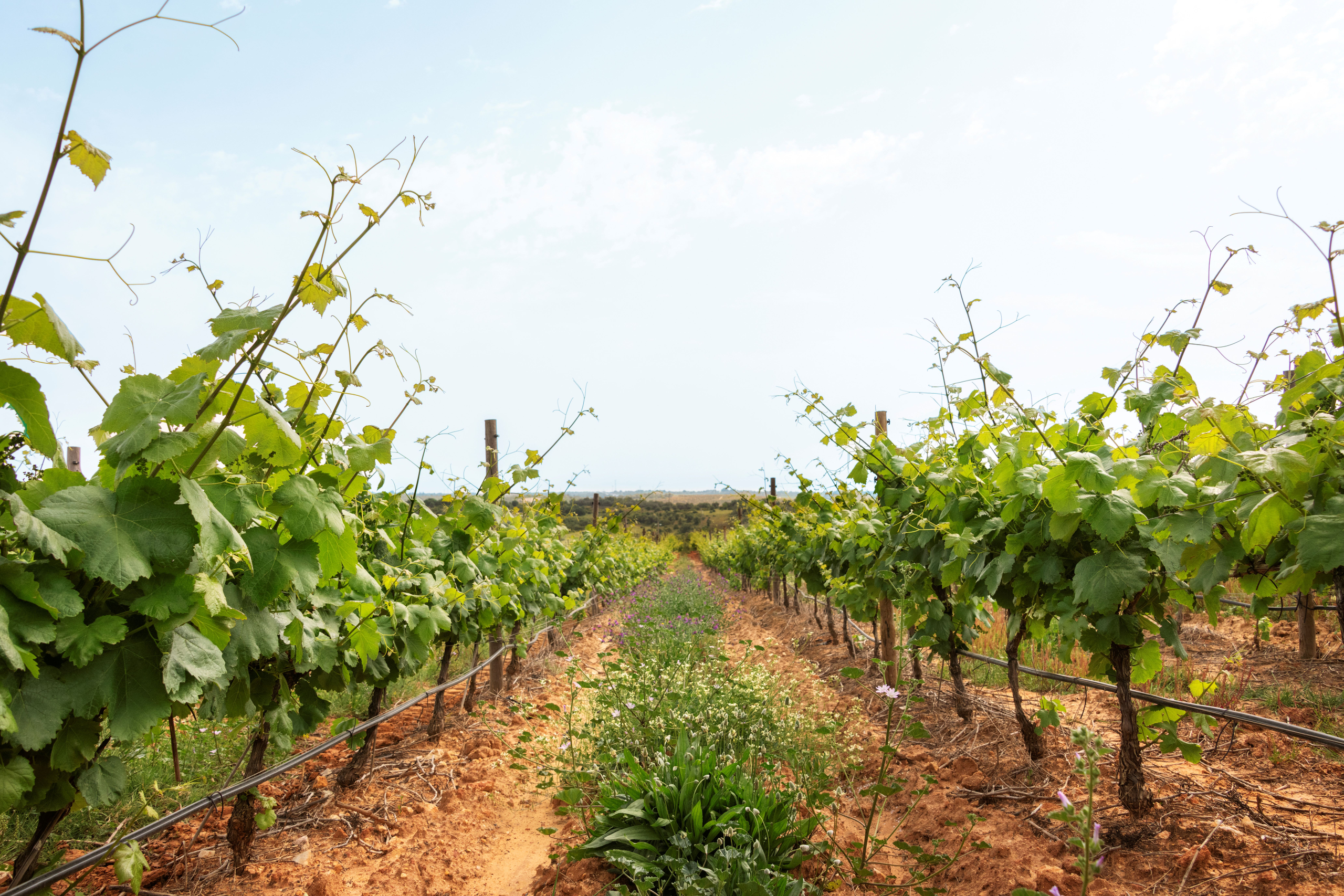
This is where Villa Alvor’s signature comes in. The wines in the Colheita range are born from the same cool, Atlantic-influenced microclimate, with a terroir sheltered from the Mediterranean climate and balanced soils. That balance and freshness is exactly what a seafood cataplana needs to be well matched. That is the role of the right wine: to elevate the cataplana into a more complete gastronomic experience.
Villa Alvor Colheita White
Villa Alvor Colheita White is a wine with pronounced acidity, citrus and tropical notes, a slightly herbaceous touch and a salinity reminiscent of the nearby sea. This profile allows it to cut through the richness of the cataplana broth and enhance the dish’s more delicate flavours: the clams, the prawns, the white fish, the coriander.
It works particularly well when the recipe includes tomato, garlic and peppers, ingredients that, combined with the wine’s acidity, gain greater definition on the palate. It’s the most classic and food-friendly choice, designed for those seeking precision in their pairing: the white wine brings balance to the flavours of the dish.
Served well chilled, between 8 and 10°C, Villa Alvor Colheita White also benefits from the slightly richer texture the cataplana broth brings to the mouth. The wine’s acidity cuts through that richness without erasing it entirely, creating a balance few wines from southern Portugal can offer. The finish is clean and lingering, leaving the palate ready for the next bite.
Villa Alvor Colheita Rosé
Villa Alvor Colheita Rosé offers a different experience: rounder and softer, with subtle red fruit, floral notes and a more discreet citrus touch. It’s a wine with a sunny, Mediterranean feel and an enveloping texture, offering a pairing that relies more on sensation than on technical precision.
This is the wine to choose when the cataplana features more prominent prawns, a touch of spice, cured sausage, or a richer, more rustic broth: the more “summer lunch” and less “formal dinner” version of the dish. For those seeking a more relaxed wine and seafood pairing, rosé is an excellent choice.
Also served well chilled, Villa Alvor Colheita Rosé turns the meal into a less formal moment, closer to a summer lunch in the shade: a true Mediterranean experience. It pairs especially well with cataplanas in which prawns or cuttlefish take centre stage, and with slightly spicier seasoning, which the rosé’s fruit helps to soften.
White or Rosé? How to Choose
Both choices are right; they are simply two different ways of celebrating the same dish. If the goal is the most complete gastronomic pairing, Villa Alvor Colheita White is the safest choice: its acidity and citrus-mineral profile better balance the iodine-rich broth and the natural richness of the seafood. If you’re after a modern, relaxed experience, Villa Alvor Colheita Rosé fills that role with more charm than any other wine in the range.
It’s worth considering the context of the meal before deciding. A cataplana prepared for a special occasion, with guests and a more leisurely conversation, works beautifully with the white. A weekend cataplana, outdoors with friends, is all the better with the rosé. Both options are equally valid; they simply offer different experiences of the same dish.
When in doubt, it’s worth having both bottles on the table. Served side by side, well chilled, Villa Alvor Colheita White and Villa Alvor Colheita Rosé let each guest choose according to what they’re eating at that moment. That freedom is also part of the relaxed spirit a seafood cataplana invites us to celebrate.
A seafood cataplana takes on a new dimension when the wine on the table lives up to the intensity of the dish. Explore the Colheita range and discover which wine best suits your next cataplana. Will it be the white or the rosé?